4 Oct 2026
How Zurich Enthusiasts Match Live Dealer Options With Personal Spending Controls in Mobile Apps
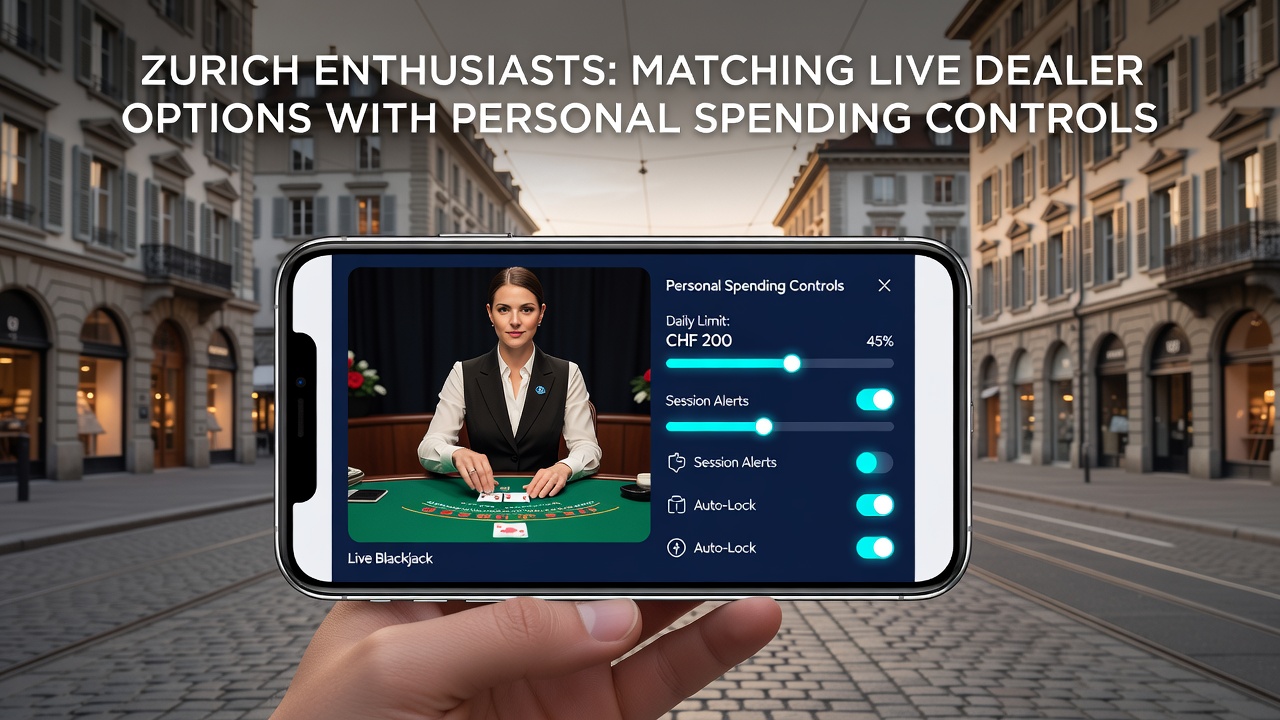
Enthusiasts across Zurich combine selections of live dealer tables in mobile applications with built-in spending controls that allow users to set daily, weekly, or monthly budgets before they begin play, and this integration relies on features that sync in real time so that game access adjusts automatically once limits approach. Observers note that these tools appear in platforms licensed under Swiss regulations, where operators must provide options for deposit caps, loss thresholds, and session timers that users activate during account setup or later through account menus.
Live Dealer Features Available in Zurich Mobile Apps
Live dealer sections in these applications typically include roulette, blackjack, and baccarat streamed from studios with professional croupiers, and players choose tables based on minimum bet levels, game speed, and side bet availability while the app displays current occupancy and recent payout histories. Data from the Swiss Federal Statistical Office shows that participation in licensed online table games rose steadily through 2025, with mobile devices accounting for the majority of sessions among users located in the Zurich canton. Enthusiasts often filter options by stake range first, then review the spending controls panel to confirm that their preset limits align with the table minimums they intend to pursue.
Types of Personal Spending Controls
Apps provide several control mechanisms that users activate independently of specific games, including deposit limits that cap the total amount transferred from a linked bank account within a chosen period, loss limits that halt play once net losses reach a set figure, and reality checks that interrupt sessions with time and spend summaries. Researchers at academic institutions studying Swiss gambling behavior have documented that these controls function across live dealer environments without interrupting the video stream, so players receive notifications within the same interface they use to place bets. One study from a Canadian research group found that users who enable multiple controls simultaneously report higher adherence rates compared with those who rely on a single tool, and similar patterns appear in Zurich user data collected by licensed operators.
Matching occurs when users review available live dealer tables against their active limits, for instance selecting lower-stake blackjack variants if a weekly loss cap has already been partially used or opting for faster roulette wheels only after confirming that a session timer remains available. This process takes place entirely within the mobile interface, where the spending dashboard updates alongside the game lobby so that table availability reflects current budget status without requiring users to switch applications.
Practical Matching Process Observed Among Zurich Users
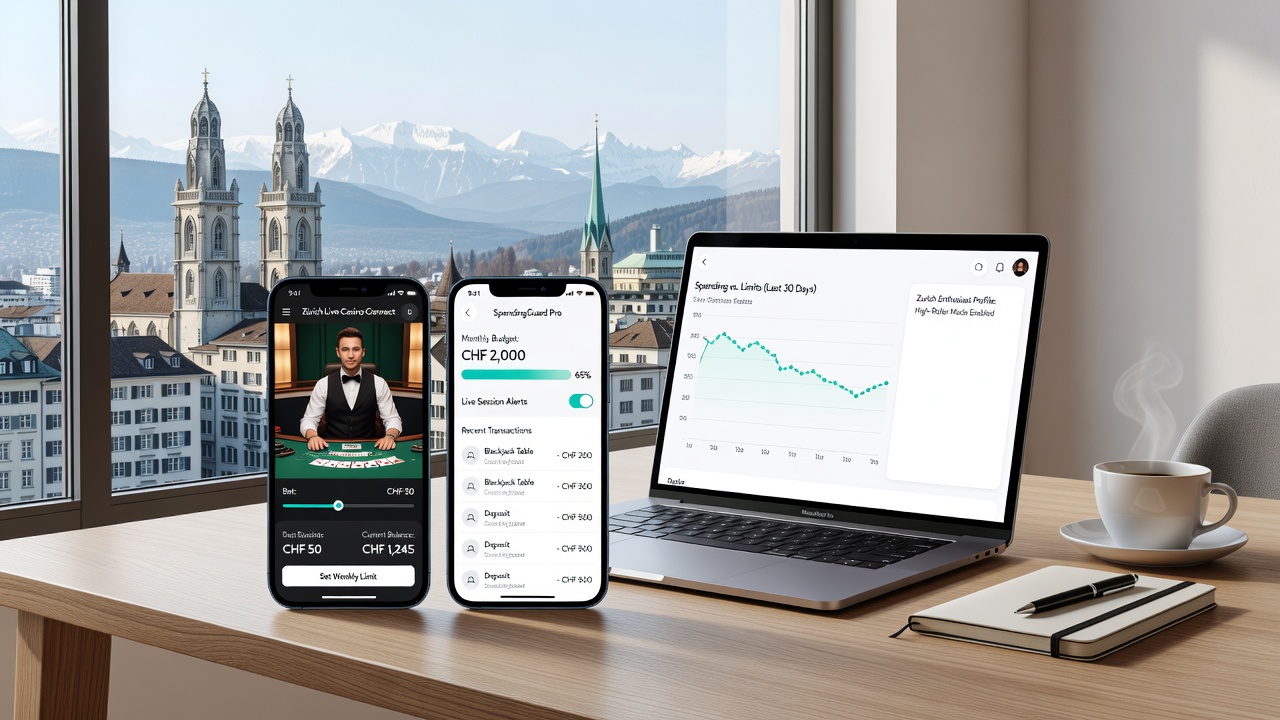
Users typically begin by opening the spending controls section to review or adjust parameters, then move to the live dealer lobby where filters allow sorting by bet size and game type while the app flags tables that would exceed remaining limits. In October 2026 several applications introduced additional color-coded indicators that highlight tables compatible with active budgets, and this update built on earlier requirements from Swiss licensing authorities that operators maintain transparent limit displays during live play. People who participate regularly describe the workflow as selecting a control profile first, then browsing only the filtered game options that respect those boundaries, which reduces the need for manual calculations during sessions.
Industry reports from gaming associations indicate that Zurich residents access these combined features through both iOS and Android versions of licensed apps, with synchronization occurring through secure cloud profiles that carry settings across devices. When a live dealer table requires a minimum bet that would breach a daily deposit cap, the interface grays out the option and suggests alternatives that remain within bounds, a design element that emerged from compliance updates rolled out in prior years. External data compiled by the Australian Gambling Research Centre highlights comparable filtering systems in other regulated markets, where similar matching logic correlates with sustained user engagement within defined limits.
Regulatory Context Supporting These Features
Swiss federal rules require that all licensed mobile platforms incorporate responsible gaming tools, and operators must demonstrate that spending controls apply uniformly across live dealer and virtual game categories. This framework ensures that enthusiasts in Zurich encounter consistent limit settings whether they choose streamed table games or other formats, and audits verify that the matching functions operate without lag or override options. Observers tracking compliance note that these obligations have led developers to embed spending summaries directly into live dealer screens rather than hiding them in separate menus, allowing immediate visibility of remaining budgets during play.
Conclusion
The alignment of live dealer selections with personal spending controls in Zurich mobile apps rests on integrated interfaces that present both elements together, enabling users to filter tables according to active limits while meeting Swiss regulatory standards. Available tools such as deposit caps, loss thresholds, and session timers update in real time alongside game lobbies, and recent platform enhancements as of October 2026 have refined how these elements display compatibility. Data from regulatory bodies and research groups continues to track usage patterns, confirming that the systems function across licensed applications accessed by Zurich residents.